
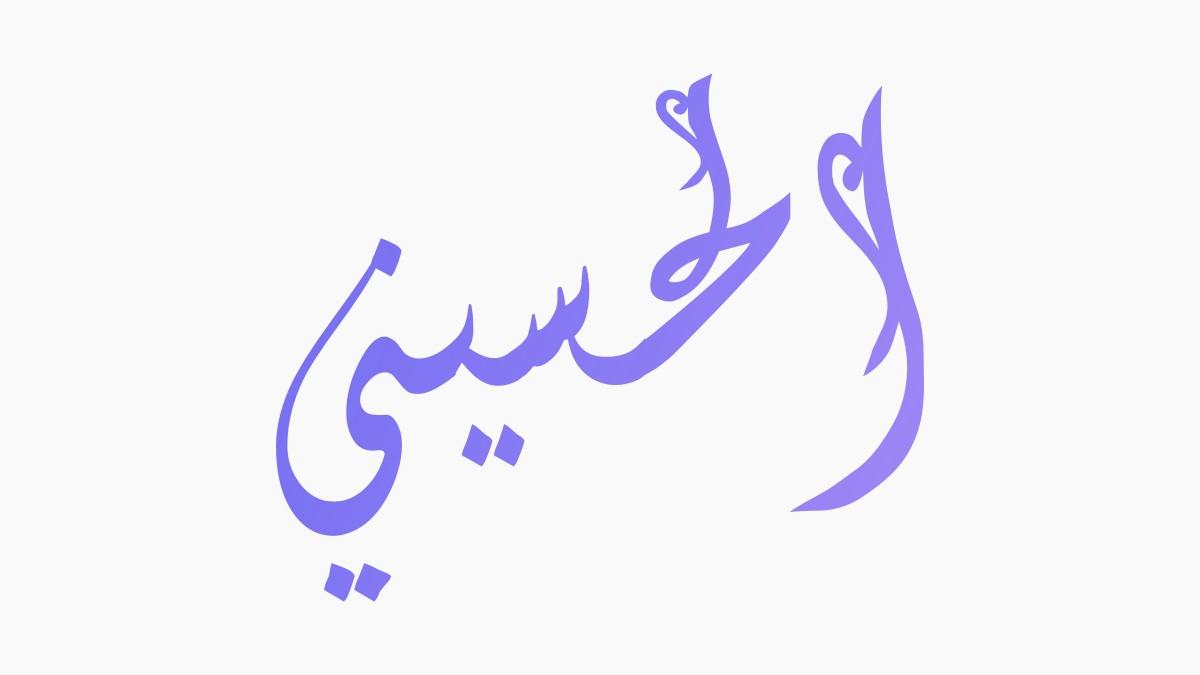
Introduction to Maqam Husayni
Maqam Husayni is one of the numerous and rich maqamat (plural of maqam) in Arabic music, known for its expressive nature and deep emotive qualities. Named after the revered figure Husayn ibn Ali, this maqam holds cultural and emotional significance. This intricate system provides the foundation for melodies and improvisations in traditional Arabic music. Understanding Maqam Husayni requires an exploration of its unique scale, modulation potential, and cultural context.
The Structure of Maqam Husayni
Maqamat, in general, are complex modal structures that go beyond mere scales. They incorporate specific sets of pitches, characteristic intervals, and common melodic motifs.
Scale and Intervals
Maqam Husayni typically starts on the note D (D2 in scientific pitch notation), and its scale is characterized by the following intervals:
- D to E: Whole step
- E to F: Half step
- F to G: Whole step
- G to A: Whole step
- A to B♭: Half step
- B♭ to C: Whole step
- C to D: Whole step (completing the octave)
Thus, the notes in the scale of Maqam Husayni are: D, E, F, G, A, B♭, C, and D.
Jins and Ajnas
Maqam Husayni comprises segments of smaller scales (called jins or ajnas, singular: jins). The primary jins of Maqam Husayni is known as Jins Rast on D. This lower jins is structured as:
- D, E, F, G
The secondary jins, located on the fifth degree (G), is Jins Nahawand:
- G, A, B♭, C, D
Characteristic Melodic Movements
Maqamat often have characteristic melodic phrases that musicians explore and improvise around. In Maqam Husayni, the following movements are noteworthy:
- Ascending Tetrachord: Moving from D up to G and then creating a melodic tension towards A.
- Descending Path: Coming down from the higher register (C to D) often features poignant drops, interspersing lower and upper jins.
These characteristic phrases are deployed to evoke specific emotions and build a musical narrative.
Modulations and Transpositions
One of the expressive powers of Maqam Husayni lies in the potential for modulation. Musicians might modulate to related maqams such as Maqam Rast or Maqam Nahawand, introducing variations while maintaining the structural integrity of the performance. These modulations can vary depending on the performer's creativity and the context of the piece.
Example of Modulation:
From Maqam Husayni (starting on D), a common modulation might be to:
- Maqam Rast on G: Incorporating like so: G (A), B chromatic (or B natural in some modulations), C, D, E, F♯.
Modulation enhances the maqam's expressiveness and keeps the listener engaged with a sense of anticipation and variation.
Cultural and Historical Context
Maqam Husayni has its roots in the rich cultural and historical traditions of the Middle East. Named after Prophet Muhammad's grandson Husayn, this maqam often evokes a sense of solemnity, reflection, and spirituality. Its emotional depth is particularly employed in traditional and spiritual pieces, including religious recitations and classical performances.
Usage in Performance and Recitation
- Instrumental Music: Played on traditional instruments like the oud, qanun, ney, and violin, Maqam Husayni beautifully showcases the intricate play of microtones and ornamentations.
- Vocal Music: The maqam is used in classical Arabic vocal music where its haunting melodies can deeply move the audience.
- Qur’anic Recitation: Maqam Husayni’s solemnity makes it suitable for parts of the Qur’an that deal with themes of reflection and devotion.
Conclusion
Maqam Husayni stands out as a cornerstone of Arabic music, celebrated for its distinctive emotional weight and rich heritage. Its structure, characteristic intervals, and potential for thoughtful modulation provide musicians and listeners alike with a profound musical experience.
Understanding Maqam Husayni opens a window to the larger world of Arabic maqamat, offering a glimpse into a sophisticated and emotive system of music that continues to inspire and captivate.
Feel free to explore this maqam via traditional performances and understand its beauty and complexity. Each performance of Maqam Husayni invites you to experience the timeless and evocative world of Arabic music.
This blog aims to provide a comprehensive insight into Maqam Husayni, serving both as an educational resource and a tribute to the grandeur of Arabic musical traditions.