
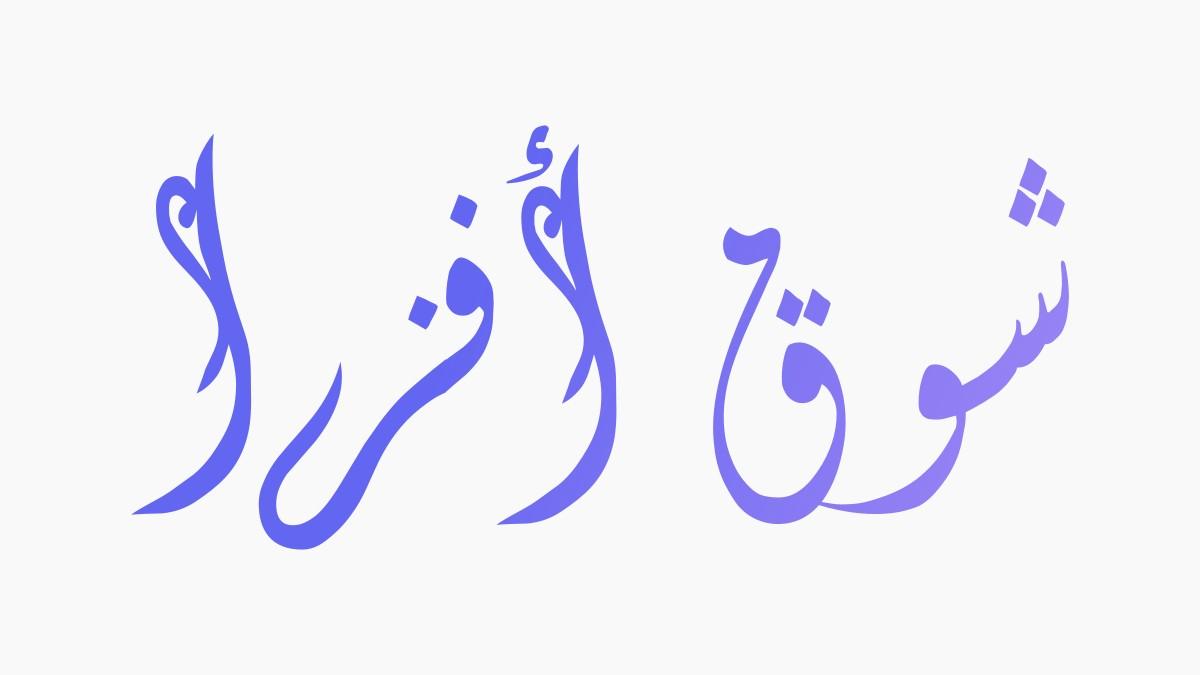
Introduction to Maqam Shawk Afza
Maqam Shawk Afza is a sophisticated and expressive maqam (musical mode) in Arabic music. Known for its emotional depth and intricate melodic pathways, Maqam Shawk Afza is revered by musicians and listeners alike for its ability to evoke profound feelings. It is a subset of the broader category of maqamat (plural of maqam), which are the fundamental building blocks of Arabic music, akin to scales in Western music but with a unique set of rules and characteristics.
The Structure of Maqam Shawk Afza
The Maqam Shawk Afza is typically based on a tetrachord system, which is a sequence of four notes. However, its structure can extend beyond two tetrachords, creating what is known as a jins (plural: ajnas), a term describing a section of a maqam that can span four or five notes. The typical structure of Maqam Shawk Afza includes the following ajnas:
-
Jins Rast (Base Tetrachord): Starting on the tonic, this is the foundational jins for Maqam Shawk Afza. It is characterized by the intervals: whole step, three-quarter step, and half step. In C Maqam Rast, the notes are C, D, E-half-flat, and F.
-
Jins Nahawand (Upper Tetrachord): Connected to the Jins Rast by a common note, Jins Nahawand has the intervals: whole step, half step, and whole step. In the context of Maqam Shawk Afza, it might start on G, with the notes G, A, B-flat, and C.
-
Jins Hijaz: Jins Hijaz can sometimes be used in the continuation of Maqam Shawk Afza to add a distinctive flavor. Jins Hijaz typically starts on D and includes the notes D, E-half-flat, F-sharp, and G.
The interaction of these ajnas gives Maqam Shawk Afza its unique character, allowing for rich melodic improvisation and deep emotional expression.
Emotional Impact and Usage
Maqam Shawk Afza is often employed to convey a wide range of emotions, from longing and sorrow to joy and celebration. Its ability to transition fluidly between different emotional states makes it a favorite choice for genres such as muqaddimat (musical preludes), waslat (suites), and qasa'id (poems). The maqam's inherent flexibility also makes it popular in modern compositions and improvisations.
Example of a Traditional Piece in Maqam Shawk Afza
A notable traditional composition in Maqam Shawk Afza is "Lamma Bada Yatathanna," an ancient muwashshah (classical Arabic poetry with a musical structure). This piece beautifully demonstrates the intricate melodic journey typical of Maqam Shawk Afza, oscillating between feelings of sweetness and deep melancholy.
Techniques for Performance
Performing Maqam Shawk Afza requires a thorough understanding of its complex melodic structure and emotional depth. Musicians often use the following techniques to master this maqam:
-
Intonation Precision: Because of the microtonal intervals inherent in Arabic music, precise intonation is critical. Musicians need to be adept at producing three-quarter tones, which are common in Maqam Shawk Afza.
-
Improvisation (Taqsim): Mastery of taqsim, the art of melodic improvisation, is essential. Musicians should be able to navigate through the ajnas, seamlessly transitioning between emotional states.
-
Ornamentation: Use of intricate ornamentations, including trills, slides, and bends, helps to enhance the expressiveness of the performance.
Conclusion
Maqam Shawk Afza stands out as a jewel in the rich tapestry of Arabic music, encapsulating the delicate balance between technical complexity and emotional expressiveness. Whether in traditional compositions or modern interpretations, Maqam Shawk Afza continues to enchant audiences and challenge musicians, preserving its timeless allure in the world of Arabic music.
Embrace the enchanting world of Maqam Shawk Afza, and you'll find yourself immersed in a musical journey that transcends the ordinary, touching the very soul of human emotion.
Explore more about other maqamat and enhance your understanding of the profound tradition of Arabic music. Stay tuned for our next deep dive into the enchanting world of maqamat!