
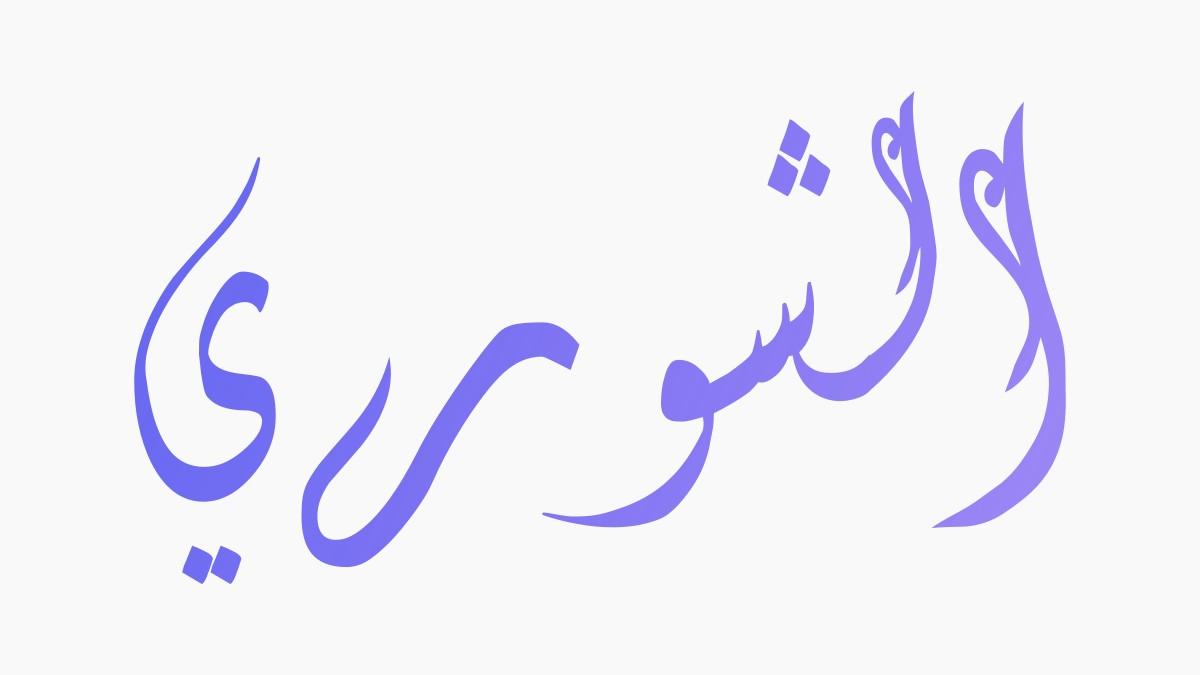
Arabic music is a rich tapestry of melodic instruments, rhythmical arrangements, and intricate scales known as "maqamat" (singular: maqam). One particularly captivating maqam is Maqam Shuri. This blog post aims to delve deep into the structure, characteristics, and cultural nuances of Maqam Shuri.
What is Maqam Shuri?
Maqam Shuri is one of the less commonly discussed yet profoundly evocative maqamat in Arabic music. It is known for its unique intervallic structure that creates an atmosphere of both tranquility and subtle tension. The term "Shuri" can be traced to Persian origins, highlighting the deep historical and cultural exchanges that have influenced Arabic music.
The Structure of Maqam Shuri
Maqam Shuri is typically played in the Rast scale, which is a principal scale in Arabic music resembling the major scale in Western music but with microtonal variations. The defining feature of Maqam Shuri is its distinctive tetrachord and pentachord combinations:
Rast Tetrachord (Jins Rast)
The primary jins (building block) of Maqam Shuri is the Rast tetrachord, which can be represented as follows:
- C -> A whole tone
- D -> A whole tone
- E half-flat -> A three-quarter tone (also known as "saba" or "quarter tone")
Nahawand Pentachord
Following the Rast tetrachord, the Nahawand pentachord typically follows. This can be represented as:
- G - A whole tone
- A - A whole tone
- B half-flat - A three-quarter tone
- C
Combined Structure
Combining these, the structure of Maqam Shuri fits into the following interval pattern:
- C-D-E half-flat-F-G-A-B half-flat-C
Modulation and Flexibility
One of the beauties of Arabic maqamat is their flexibility and the potential for modulation. In practice, Maqam Shuri often navigates between other related maqamat like Maqam Rast or Maqam Nahawand for expressive purposes.
Cultural and Emotional Context
Maqam Shuri is associated with a subdued, introspective mood. It is frequently utilized in vocal performances, especially in genres that emphasize emotional depth and lyrical content, such as the Arabic "Taqsim" (improvisational solo) and "Muwashahat" (classical Arabic poetry set to music).
In centuries past, it has been used in the courts of the Arabic world to set a reflective atmosphere, and it continues to be a favorite choice for conveying a sense of longing and contemplation in modern performances.
Famous Pieces and Practitioners
While Maqam Shuri might not be as commonly showcased as other maqamat like Maqam Bayati or Maqam Hijaz, it holds a special place in the repertoires of dedicated musicians who seek to explore its nuanced emotional landscape. Renowned oud players and vocalists have utilized this maqam to remarkable effect, contributing to its enduring appeal.
Learning and Performing Maqam Shuri
For aspiring musicians, mastering Maqam Shuri requires an understanding of both its theoretical foundation and its expressive potential. Here are a few tips:
- Listen and Analyze: Before attempting to play Maqam Shuri, listen to recordings by master musicians to understand its nuances.
- Technical Practice: Focus on the microtonal intervals, ensuring precise intonation.
- Expressive Practice: Work on the dynamics to capture the maqam's emotional depth.
Conclusion
Maqam Shuri is a testament to the intricate beauty and emotional depth of Arabic music. Its distinctive intervals and rich cultural history offer endless opportunities for musical exploration and emotional expression. Whether you are a listener or performer, immersing yourself in Maqam Shuri can enrich your understanding and appreciation of the art form.
With its contemplative character and evocative quality, Maqam Shuri invites us to journey into the heart of Arabic musical tradition, reminding us of the profound connections between sound, culture, and emotion.